
Blog
Polygel System Review: Worth Adding to Your Menu?
Nov
A good polygel system review should answer more than whether the product feels nice on the brush. For a working nail technician, the real question is whether it gives you controlled application, dependable wear and enough versatility to earn space on a busy service menu. Polygel sits between acrylic and hard gel in both handling and finish, which is exactly why it has become a serious option for overlays, sculpted extensions and structured natural nails.
It is not a replacement for every enhancement system. It is, however, a highly useful choice when your clients want strength without the strong odour of traditional liquid-and-powder acrylics, or when you want more shaping time than a self-levelling hard gel allows.
Polygel system review: how it performs in real appointments
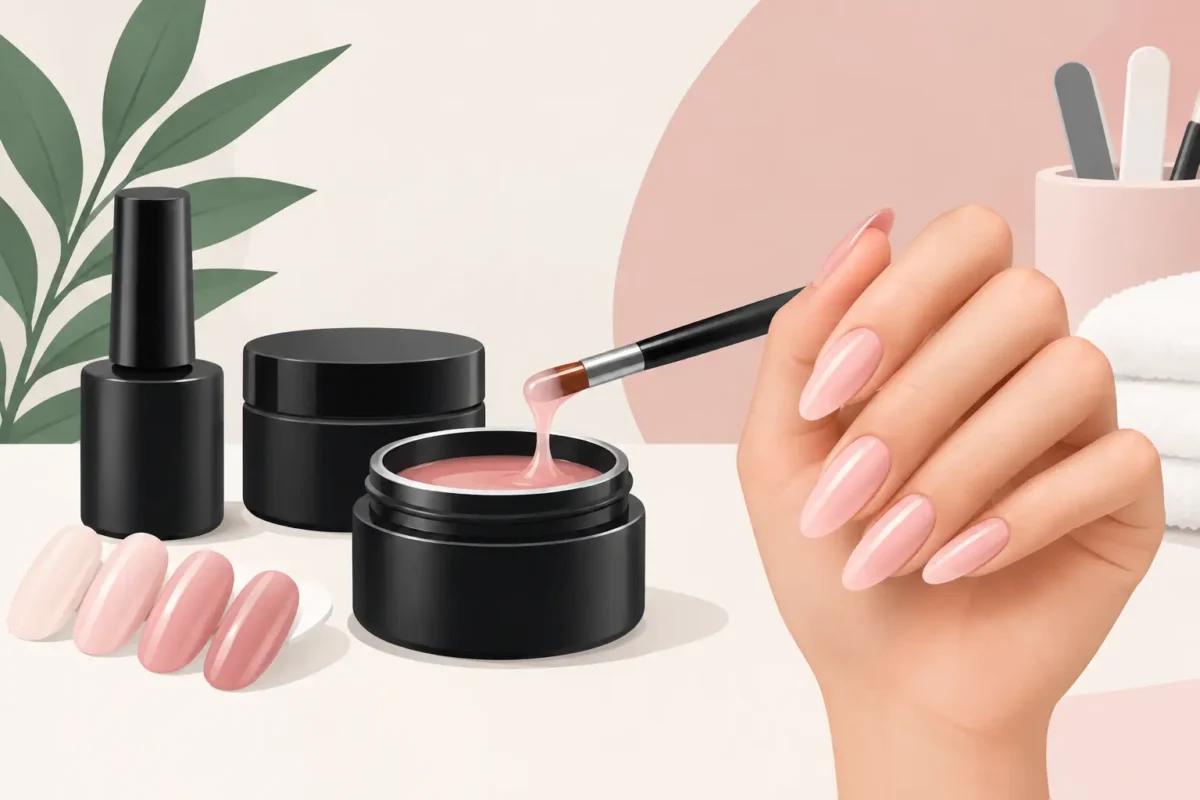
Polygel is a hybrid enhancement product, usually supplied in a tube or pot, that is moved into place with a brush and a slip solution or cleanser. It does not begin to set until it is cured under the correct lamp. That gives the technician control: you can place the bead, refine the sidewalls, build an apex and check your structure before committing to cure.
For salon work, that working time is its strongest selling point. Acrylic can demand fast, confident bead control, particularly in a warm salon or when a client has very dry nails. Self-levelling gels can move before you have finished refining the shape. Polygel stays where it is placed, making it especially comfortable for technicians who want to sculpt with precision.
The texture is usually putty-like rather than runny. That makes it easier to contain around the cuticle area and sidewalls, with less risk of product flooding the skin. It is particularly helpful on short sculpted extensions, where a clean lower arch and balanced apex make all the difference to both appearance and durability.
That said, the texture can be an adjustment. A heavy hand with slip solution can make the surface overly slick and reduce control. Too little can cause dragging and sticking. The sweet spot is a lightly dampened brush, wiped well before touching the product. Think press, pat and guide rather than brush it as though it were gel polish.
Strength, flexibility and the finished feel
A well-applied polygel enhancement offers a balanced feel: firmer than a soft gel overlay, often more flexible than a very rigid acrylic structure. That balance matters for clients whose nails bend, catch or split at the free edge. The enhancement should support the natural nail, not simply create thickness.
The exact feel depends on the formula, the length of the extension and the structure you build. A thin overlay on a short natural nail may feel lightweight and natural. A long almond or coffin extension still needs a correctly positioned apex and enough product through the stress area. No system can compensate for poor architecture.
Clients often appreciate the smooth, lightweight finish, particularly when moving from bulky enhancements. For you, the filing stage can also be more pleasant than an overly hard system, provided you have not applied too much product. A controlled application is commercially valuable: less bulk means less filing, less dust and a more efficient appointment.
Where polygel earns its place on a professional menu
Polygel makes the most sense when it solves a service problem. It can be a strong choice for structured overlays on clients growing out damaged or weak nails, short-to-medium sculpted extensions, repairs, and clients who prefer a low-odour appointment. It also gives students a forgiving platform for learning product placement and shape control before working at speed.
For nail art clients, a polished polygel structure creates a reliable canvas for gel colour, chrome, French tips and detailed art. The product itself is not the art feature – the benefit is the clean, even enhancement beneath it. When the base is balanced, a fashion-led finish looks sharper and lasts better.
It can also support a premium service menu. A technician can offer a structured natural nail appointment, an extension service and infills where appropriate, then tailor the finish to the client’s preferred colour or design. The key is clear consultation. Some clients need strength on natural nails; others want visible length. Treating every booking as the same service leads to overbuilding, lifting or unrealistic expectations.
When another system may be better
There are occasions when acrylic or gel is the more efficient choice. If you specialise in long, dramatic competition-style lengths or work at very high volume, a system you can apply rapidly and confidently may suit your timings better. An experienced acrylic technician with excellent liquid-to-powder control may find acrylic faster for certain extension work.
Hard gel can also be preferable for technicians who enjoy self-levelling application and want a very glossy, refined surface with minimal shaping. For quick, short overlays, a builder in a bottle product may be more practical than reaching for a tube of polygel.
Polygel is not automatically easier simply because it does not set in air. It asks for its own technique: sensible product placement, proper brush control, thin perimeter application and thorough curing. The best system is the one that fits your service style, training level and client demand.
Application details that decide whether it lasts
Most lifting issues begin before product touches the nail. Thorough prep remains non-negotiable. Assess the natural nail, push back non-living tissue, remove shine carefully, clear away dust and follow the preparation steps specified for your chosen system. Product applied over cuticle or uneven prep will still lift, even if the formula is excellent.
Choose forms and tips with the same care. A poorly fitted tip creates weakness before the enhancement is even applied. For sculpting, make sure the form sits securely beneath the free edge, with no gap that will create a sagging or overly thick underside. Polygel’s stability is useful here because you can refine the extension before curing, but the form must still be positioned correctly.
Keep the cuticle zone thin and neat, then build strength through the centre and stress area. This reduces the chance of a bulky grow-out line while keeping the enhancement structurally sound. Cure for the full time recommended by the manufacturer and use a compatible lamp. Under-curing is not a shortcut issue – it is a performance and safety issue.
After curing, cleanse only if your system requires it, refine the shape and check the nail from every angle. Look down the barrel for symmetry, examine the side profile for a balanced apex, and check that the free edge is not too thin for the chosen length. These small professional checks separate a pretty set from a durable one.
Maintenance, removals and client aftercare
Polygel should be maintained according to the product instructions and the condition of the enhancement. In many cases, professional removal or rebalancing involves reducing bulk carefully with an e-file or hand file, rather than assuming the whole enhancement will soak away like a soft gel. Never promise a removal method until you know the specific formulation you are working with.
At the appointment, check for lifting, cracks, changes in the natural nail and any signs that the client has been picking or using their nails as tools. A small lift should not be hidden beneath fresh product. Remove all lifted material first, then assess whether an infill, repair or full removal is the safest route.
For clients, aftercare is refreshingly simple: use cuticle oil daily, wear gloves for cleaning and avoid using nails to open cans, scrape labels or lift tight lids. Encourage regular maintenance appointments based on their nail growth, lifestyle and chosen length. A client who works in healthcare, hairdressing or a hands-on trade may need shorter, more practical enhancements than someone who wears their nails primarily for occasion styling.
Is polygel worth buying for your kit?
For technicians building a flexible enhancement offering, polygel is worth serious consideration. Its biggest advantage is control. You are not racing an air-set product, and you are not managing a formula that levels into places you did not intend it to go. That can mean cleaner application, stronger structure and more confidence when creating tailored shapes.
The value is greatest when it is backed by proper training, compatible tools and a clear understanding of what your clients need. Nail Gaga’s approach to professional products and practical skills development reflects that reality: technique is what turns a quality formula into a service clients rebook.
Test your timing, practise your brush pressure and photograph your sets after two to three weeks of wear. The most useful review will come from your own client results – clean cuticle areas, balanced structure and nails that still look Fashion For Fingers when they return.
